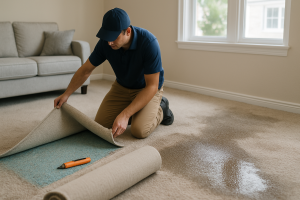
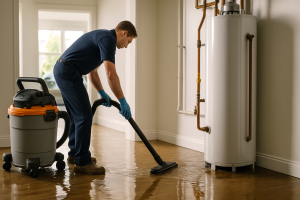
Twenty degrees is the number that matters. Below it, an unprotected pipe can freeze in about three hours. Water freezes at 32, but walls and heated rooms buy you time at that temperature. A hard freeze removes that cushion. In Utah, that is not a once-a-winter event. It is most of the season, which is why burst pipes stay the busiest emergency call we take between December and February.
Key Takeaways
- ›Risk climbs sharply at 20°F. Unprotected pipes can freeze in roughly three hours.
- ›Hold the thermostat at one temperature day and night, never below 55°F.
- ›Insurance covers the water damage a burst pipe causes, but not the pipe, and not negligence.
Why Utah Winters Break Pipes
Freezing water expands. That part is simple. The damage comes from pressure.
Most frozen pipe prevention Utah winter guidance focuses on insulation alone. Insulation slows heat loss, but it does not add heat. On a long cold snap, an uninsulated cavity eventually reaches outdoor temperature either way.
Once ice forms a blockage, water trapped between that plug and a closed faucet has nowhere to go. Pressure climbs until the pipe splits, often at a point well away from the ice itself. The break usually goes unnoticed until the thaw, when the line reopens and water pours out.
Where Salt Lake City Homes Freeze First
Location matters more than pipe age. Supply lines in unheated space are the first casualties.
The American Red Cross names the usual victims plainly. Outdoor hose bibs, sprinkler lines, and supply pipes in unheated basements, crawl spaces and attics freeze most often. Garages belong on that list too. So does any pipe running against a poorly insulated exterior wall.
Elevation changes the picture across the valley. Bench homes sit colder and windier than properties on the valley floor. Many older Salt Lake City houses also have basements finished decades after the original build. That leaves plumbing tucked into uninsulated exterior cavities nobody has opened since.
Your Room-by-Room Prevention Checklist
Work outside in. Most of this is a single Saturday in October.
Outdoors
Disconnect, drain, and store every garden hose. Close the indoor shut-off valve feeding each outdoor spigot. Then open the outside faucet to drain what is left in the line.
Fit insulated covers over hose bibs. Blow out sprinkler lines before the first hard freeze.
Basement, Crawl Space, and Garage
Wrap exposed pipes in foam sleeves. For the worst runs, use thermostatically controlled heat tape rather than insulation alone.
Seal the air leaks first. Insulation around a pipe does nothing if cold air is pouring through the rim joist beside it. Keep the garage door shut if supply lines run through it.
Kitchen and Bathrooms
Open cabinet doors under sinks on exterior walls so household air reaches the plumbing. Remove household chemicals first if you have small children.
When a Storm Is Actually Coming
The October checklist is prevention. This is the 48-hour version, and it is where most of the frozen pipe prevention Utah winter advice stops short.
Set the thermostat to one steady temperature, day and night. Turning it down at bedtime is exactly when pipes fail. Salt Lake City Public Utilities advises finding the faucet furthest from where water enters the house and letting it drip slowly. That keeps water moving through the whole run.
Know where your main shut-off valve is before you need it. Test that it actually turns. A seized valve at 11pm on a Saturday is its own emergency.
Check the rooms you do not use. Spare bedrooms, storage rooms, and finished basement corners often have closed vents and shut doors. Those spaces run far colder than the hallway where your thermostat sits. Open the doors and the vents during a cold snap.
Watch the forecast for consecutive nights below freezing rather than a single cold night. Frost penetrates walls over days. A four-night run at 25°F is more dangerous than one night at 15°F.
If You Are Leaving Town
This is where a preventable loss becomes an uncovered one.
Leave the heat on. The Red Cross advises no lower than 55°F. Salt Lake City Public Utilities suggests going above 65°F for multi-day absences. Have someone check the house. Better still, shut off the main and drain the system if the trip is long.
Insurers deny frozen pipe claims for negligence. Turning the heat off, leaving a property vacant without shutting off the water, or ignoring known maintenance all qualify. The distinction is not whether the pipe froze. It is whether you behaved reasonably.
If Your Pipes Already Froze
No water from a faucet on a cold morning means a blockage somewhere upstream.
Open that faucet and leave it open. As the ice melts, running water helps clear the rest. Apply gentle heat starting at the faucet end and working back toward the frozen section.
Use a hair dryer, a heating pad, or towels soaked in hot water. Never use a blowtorch, kerosene heater, or any open flame. Utah State University Extension is explicit that boiling water and open flames both cause burns and fire risk.
If you cannot reach the frozen section, or a pipe has already split, shut off the main immediately and call a plumber.
Check every other faucet in the house while you work. If one line froze, others in the same wall or crawl space are probably close behind. Finding a second blockage early is far cheaper than finding a second break later.
The dangerous moment is the thaw, not the freeze. A split pipe holds its own ice plug until things warm up. Plenty of homeowners find the break hours after the cold passes. Do not leave the house unattended during a warm-up.
What Insurance Actually Covers
Coverage is narrower than most homeowners assume.
A burst pipe that causes sudden water damage is normally covered. That includes ruined drywall, flooring, structure, personal property, drying and mold remediation, and temporary living costs if the home is unlivable.
The pipe repair itself is usually not covered. Insurance pays for the damage the water caused, not the plumbing that failed. Document everything before cleanup starts, and keep receipts for emergency mitigation.
Report it quickly. Most policies carry a prompt-notice clause, and a delayed report invites the argument that the damage was gradual. Photograph the wet area before anything is moved or torn out.
Our Salt Lake City crews see the same pattern every February. The homes that settle cleanly are the ones where somebody took pictures in the first hour.
Frequently Asked Questions
1.At what temperature do pipes freeze?
2.Should I drip hot or cold water?
3.Does homeowners insurance cover frozen pipes?
4.What can I put on outside pipes?
5.How long can I leave the house in winter?
Before the First Hard Freeze
Prevention here is genuinely cheap. Foam sleeves, faucet covers, and a thermostat you leave alone cost less than a single night of water running through a ceiling.
If a line has already let go, speed decides how far the damage travels. Restore Masters runs emergency water damage repair through the winter, with extraction and structural drying handled by the same crew. Homeowners on the bench and across the valley reach our Salt Lake City water damage restoration team directly. We document moisture readings from the first visit so the claim holds up.
Shut off the main, then call. Restore Masters would rather catch a wet wall cavity this week than open it up in March.