Most of the expensive water damage jobs we see did not start expensive. They started with a homeowner doing the right thing in the wrong order. A shop vac came out, fans went on the carpet, and the wet drywall got torn off before anyone called the insurer. Three weeks later the baseboards smell and the claim is in dispute. These are the five errors that turn a manageable leak into a rebuild.
Key Takeaways
- ›Pulling out wet material before the adjuster inspects can reduce or void your claim.
- ›Surface-dry is not structure-dry. Moisture hides in wall cavities, subfloor, and insulation.
- ›You have 24 to 48 hours to dry things out before mold becomes the second problem.
Mistake 1: Gutting the Room Before the Adjuster Sees It
This one costs the most and feels the most productive.
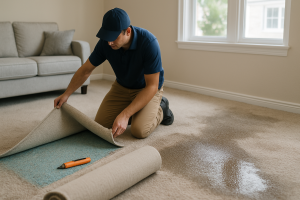
Homeowners rip out soaked carpet, cut away drywall, and bag everything for the curb. Then the adjuster arrives and there is nothing left to assess. Claims professionals are blunt about this. Removing damaged materials before inspection can reduce your payout or void the claim entirely.
Document first. Photograph and video every wet surface before anything moves. Shoot the source too, not just the damage. If you must remove material to stop the spread, photograph it in place first. Keep it on site rather than throwing it away.
Emergency mitigation is different from demolition. You are allowed, and expected, to stop further loss. You are not expected to start the rebuild.
Of all the DIY water damage mistakes Bountiful homeowners make, this is the one insurers flag most often. Keep a running log of what you moved and when. A dated note costs nothing and settles arguments later.
Mistake 2: Using the Wrong Equipment
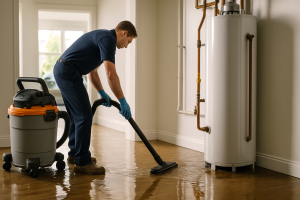
A household vacuum is not a wet vacuum. Running one over standing water risks electric shock and usually destroys the machine.
Box fans are the other half of this mistake. They move room air across a wet surface. They do not pull moisture out of the structure. Professional drying pairs high-velocity air movers with dehumidifiers. The dehumidifier pulls water out of the air itself. Evaporated moisture then leaves the building instead of resettling.
Renting one consumer dehumidifier for a flooded basement is rarely enough. Sizing matters as much as running time.
Placement matters too. Air movers work at a shallow angle across a wet surface, not pointed straight down. Aimed wrong, they push moisture into walls instead of lifting it off the floor.
Mistake 3: Stopping When the Surface Feels Dry
This is the most common of the DIY water damage mistakes Bountiful homeowners make, and the hardest to detect.
Carpet can feel dry while the pad underneath stays saturated. Drywall wicks water upward well past the visible line. Water travels along joists and under subfloor, so the dry-looking room next door may not be dry at all.
Moisture meters exist for this reason. Without one, you are guessing. Crews take readings at multiple depths. They keep drying until the numbers match an unaffected part of the house. Feeling dry underfoot is not the standard.
The 24 to 48 Hour Window
The EPA advises drying water-damaged areas and items within 24 to 48 hours to prevent mold growth. Dry inside that window and in most cases mold will not grow. Miss it and you have added a remediation job to a drying job.
That clock does not pause overnight or over a weekend.
Mistake 4: Treating Contaminated Water Like Clean Water
Not all water is the same, and the source decides the procedure.
Clean supply-line water is Category 1. Water that has passed through appliances or sat long enough to grow bacteria is Category 2. Sewage and floodwater are Category 3, and that material is a biohazard.
Category 3 water means porous materials go, full stop. Carpet, padding, and unsealed drywall cannot be reliably disinfected. Homeowners who shampoo a sewage-contaminated carpet are not saving it. They are spreading contamination and delaying the real work.
Category also degrades with time. Clean water left sitting for two days is no longer clean water. Bacteria multiply in standing moisture, so a Category 1 loss can become Category 2 over a weekend. That is another reason the first day matters more than the rest.
Water damage ranks second among home insurance claims, behind wind and hail. That figure comes from the Insurance Information Institute's homeowners insurance statistics. Handling the category wrong is how routine claims become complicated ones.
Mistake 5: Underestimating What It Does to the House
A leak that dries badly does not stay a maintenance issue. It becomes a disclosure.
Unrepaired water damage can cut a home's value substantially. Even properly repaired damage can shave a few percent off the sale price. Buyers worry about what they cannot see. Active damage or visible mold can also disqualify a property from some government-backed loans.
Bountiful makes this worse than average. Spring runoff off the bench raises the water table right when saturated ground is already pressing against older foundations. Many Bountiful basements were finished decades after they were built, which means framing and insulation sit directly against concrete that breathes. Hidden moisture is closer to the default here than the exception.
That is why documentation matters even after the water is gone. Moisture logs, drying records, and a clearance test give a future buyer something better than your word.
Keep the paperwork with your home records. Show buyers the root cause was fixed, whether that was a replaced supply line or a new sump pump. That reassures them far more than a repainted wall.
Frequently Asked Questions
1.Can I repair water damage myself?
2.How do I dry out my house fast after a leak?
3.How long before water damage causes mold?
4.What is the most common cause of household water damage?
5.Will my insurance cover it if I started the cleanup myself?
Already Made One of These? Here's the Fix
None of these mistakes are fatal on day one. Most are recoverable if the drying gets corrected before mold sets in and before the claim scope is locked.
Restore Masters brings moisture meters, commercial air movers, and dehumidifiers to every job. We log readings daily so the numbers back up the work. If the water has already been sitting, our water damage restoration in Bountiful crews can tell you what actually dried. They can also tell you what only looks dry. Where moisture sat too long, mold removal runs with the same team rather than as a separate callout.
Stop the fans and call before you cut anything else out. Restore Masters would rather document the damage with you than rebuild around a guess. The water damage repair side of the job also goes faster when nothing was removed early.